Under-Eye Hollows Treatment in Wellesley, MA
Understanding Under-Eye Hollows
Wellesley’s athletic, lean-bodied demographic experiences disproportionate tear-trough hollowing. An active lifestyle, high-volume cardio, and characteristically low body fat composition each accelerate periorbital volume loss; the same dedication to health that keeps patients feeling strong quietly depletes the fat pad beneath the eye. At GFaceMD, under-eye hollows treatment in Wellesley, MA, begins with a thorough clinical assessment that distinguishes true structural hollowing from pigmentation and laxity before any treatment is considered.
Why the Under-Eye Area Hollows With Age?
Wellesley patients who golf, play tennis, or run outdoors year-round accumulate cumulative UV exposure to the periorbital skin at a rate higher than most urban patients, and the periorbital zone, which receives sun from reflected as well as direct angles, is among the first areas to show it.
The Difference Between Hollows and Dark Pigmentation
How Under-Eye Hollows Are Treated at GFaceMD Wellesley
Treatment decisions at GFaceMD are driven by your anatomy and consultation findings, not a standard protocol.
Ultrasound-Guided Hyaluronic Acid Filler (Tear Trough):
Hyaluronic acid filler placed precisely beneath the orbital rim to restore lost volume, lift the shadowed hollow, and soften the eyelid-to-cheek transition. The periorbital zone is one of the highest-risk vascular areas in aesthetic medicine.
GFaceMD uses B-mode ultrasound imaging to map vascular anatomy before injection, the highest safety standard available in this treatment zone. This is not a universal practice across aesthetic clinics; at GFaceMD Wellesley, it is non-negotiable.
PRF / EZGel (Autologous Option):
Platelet-rich fibrin and EZGel offer patients seeking a fully autologous approach mild improvements in periorbital skin quality, texture, and early hollowing through growth-factor stimulation. This approach suits mild volume concerns and skin-quality goals better than significant structural hollowing.
Patients with significant orbital fat herniation, under-eye puffiness rather than hollowing, or severe skin laxity are assessed honestly. When a non-surgical approach cannot deliver a meaningful result, GFaceMD providers say so and refer appropriately.
Are You a Candidate for Treatment?
What to Expect: Results & Recovery
One of the most important safety features of hyaluronic acid fillers is their reversibility. If adjustment is needed at any point, hyaluronidase dissolves the product. GFaceMD Wellesley providers discuss the reversal protocol at every tear-trough consultation.
Safety, Ultrasound Guidance & Our Approach
All GFaceMD treatments are performed by licensed medical professionals under physician oversight. Dr. Gretchen Frieling, Harvard-trained, triple-board-certified Dermatopathologist, sets clinical standards across all four Massachusetts locations.
Serving Wellesley and Surrounding Communities
Explore more: dermal filler in Wellesley · bioidentical filler in Wellesley · acne scar treatment in Wellesley.

Boston
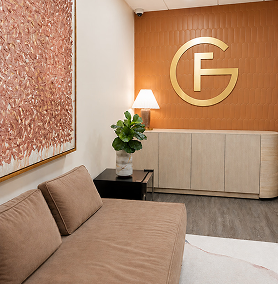
Wellesley
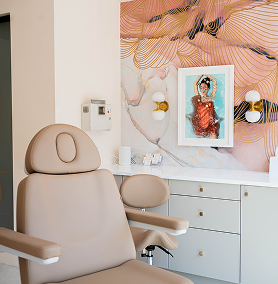
Andover

Mashpee
Frequently Asked Questions
What causes under-eye hollows?
Under-eye hollows develop as volume loss, collagen depletion, and skin thinning occur with age. Genetics, weight loss, and sun exposure can also contribute to a tired or sunken appearance.
Can filler improve under-eye hollows?
Yes, hyaluronic acid filler can restore volume and reduce shadowing in appropriate candidates. A consultation is needed to determine whether filler is the best option for your concerns.
How long does under-eye filler last?
Results typically last 9–12 months, though longevity varies by product, treatment area, and individual metabolism.
Will under-eye filler eliminate dark circles?
It depends on the cause. Filler can improve dark circles caused by hollowing and shadowing, but may not address pigmentation or vascular concerns.
Do patients travel to GFaceMD Wellesley for under-eye filler?
Yes. Patients frequently visit from Needham, Weston, Natick, Dover, and surrounding communities for under-eye rejuvenation and aesthetic treatments.
Book Your Consultation
Where We Offer This Treatment: Boston · Wellesley · Andover · Mashpee


